
Guitar Buying Guide For Beginners (2026)

Last Updated: May 2026
New to guitar? You're not alone — with thousands of guitars on the market across every price range, body style, and brand, choosing your first guitar can feel overwhelming. But it doesn't have to be.
We've put together this complete guitar buying guide to walk you through everything you need to know before making your first purchase — from choosing between acoustic and electric, to understanding body styles, pickups, features, and what to look for in terms of quality and value.
By the end of this guide you'll know exactly what to look for and feel confident walking into a music store or clicking "buy" online.
Looking for specific guitar recommendations? Check out our picks for the best beginner electric guitars, best multi effects pedals, and our list of preferred small guitar amps for gigs.
Disclosure: GuitarGearFreak.com is a participant in the Amazon Services LLC Associates Program. Some links on this page are affiliate links, meaning we may earn a small commission if you make a purchase — at no extra cost to you. We only recommend gear we genuinely believe in.
| Guitar | Best For | Body Type | Rating | Price | Buy |
|---|---|---|---|---|---|
| ⚡ Electric Guitars
|
|||||
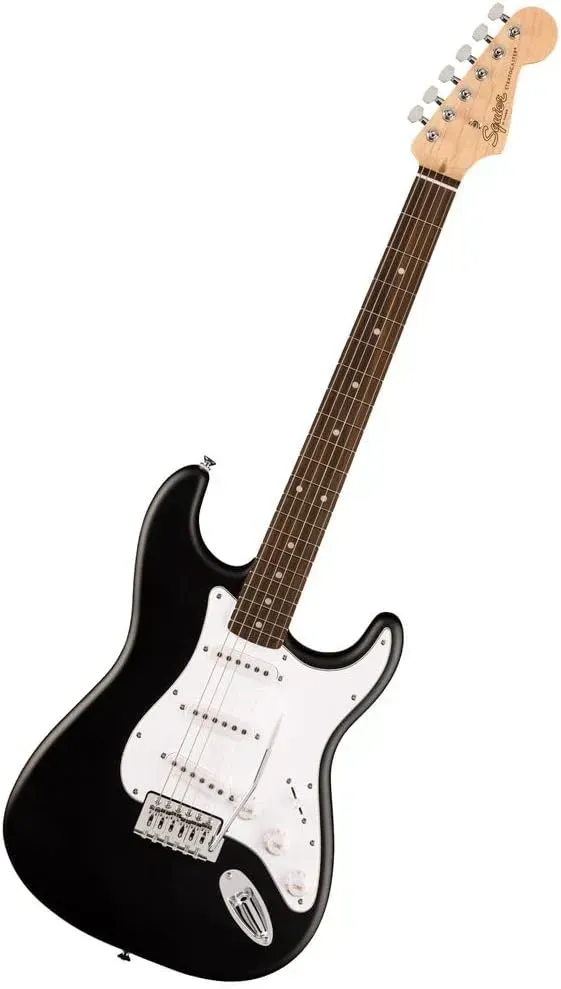 Solid Body
Fender Squier Debut Stratocaster
Solid Body · 3 Single Coils · Includes Free Lessons
|
Classic solid body example — versatile Strat tone, lightweight, great for any genre | Solid Body | ★★★★★
|
$149.99 | View on Amazon |
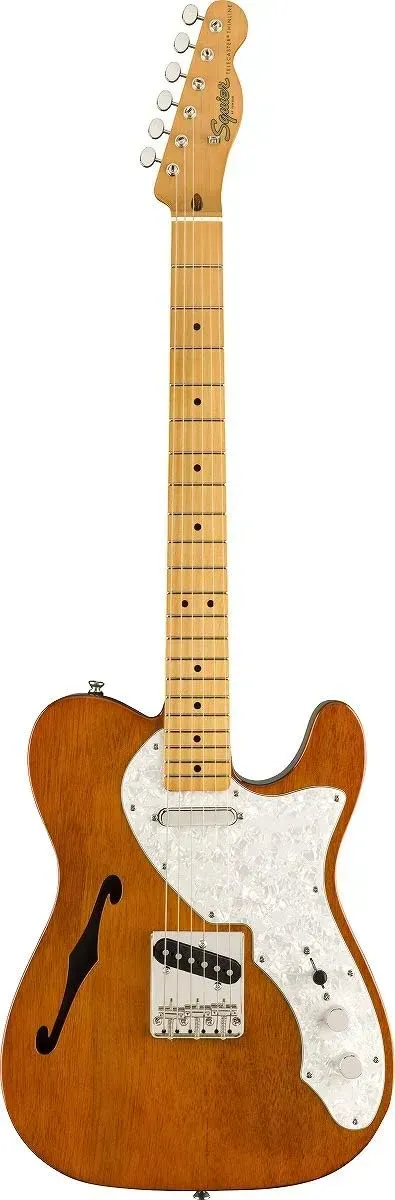 Semi-Hollow Body
Squier Classic Vibe 60s Tele Thinline
Semi-Hollow · Alnico Pickups · Vintage Vibe
|
Classic semi-hollow example — airy chimey tone with f-hole resonance, versatile genres | Semi-Hollow | ★★★★★
|
$450.50 | View on Amazon |
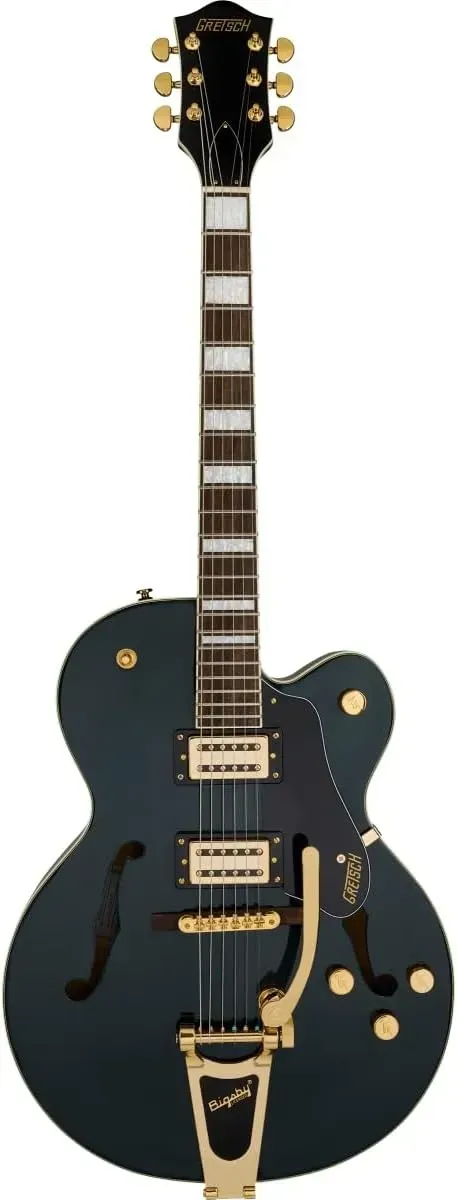 Hollow Body
Gretsch LTD Streamliner Hollowbody
Hollow Body · Filter'Tron Pickups · Bigsby
|
Classic hollow body example — full resonant Gretsch tone, perfect for jazz and rockabilly | Hollow Body | ★★★★½
|
$739.99 | View on Amazon |
| 🎸 Acoustic Guitars
|
|||||
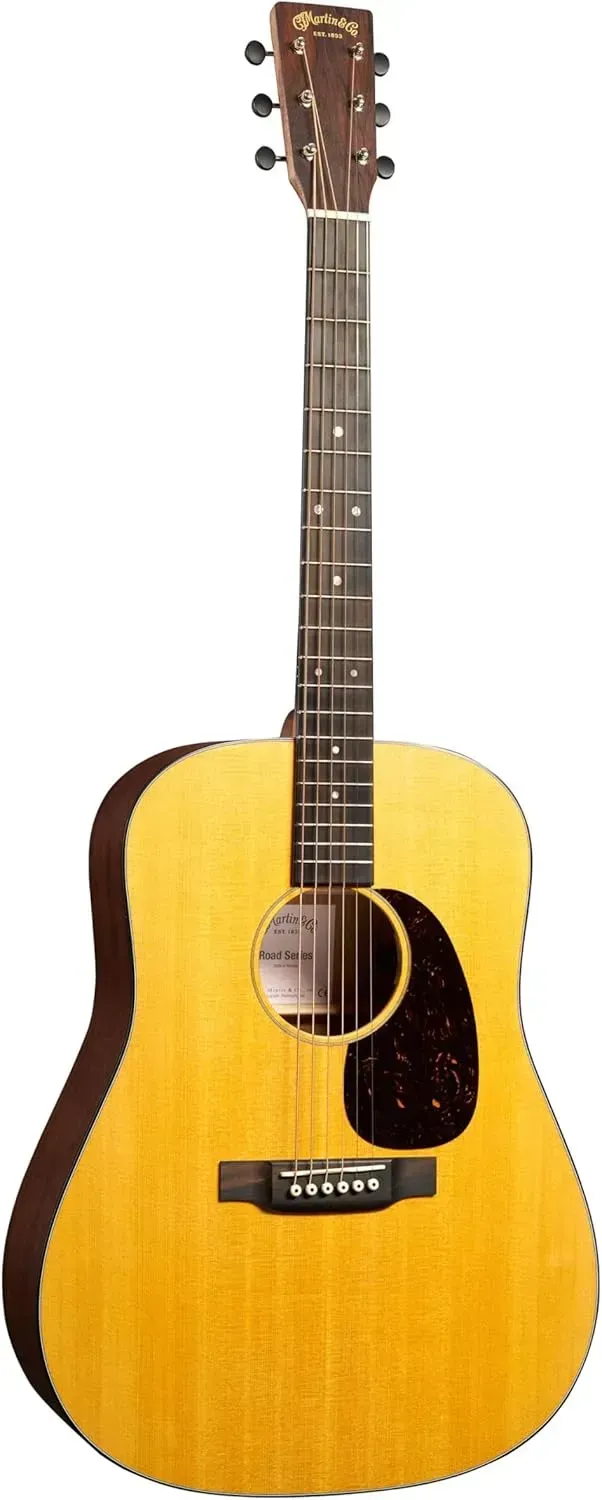 Standard Acoustic
Martin D-10E Retro Road Series
Dreadnought · Solid Spruce Top · Built-in Electronics
|
Premium standard acoustic — legendary Martin dreadnought tone, built-in electronics, gig ready | Standard Acoustic | ★★★★★
|
$999.99 | View on Amazon |
 Electric Acoustic
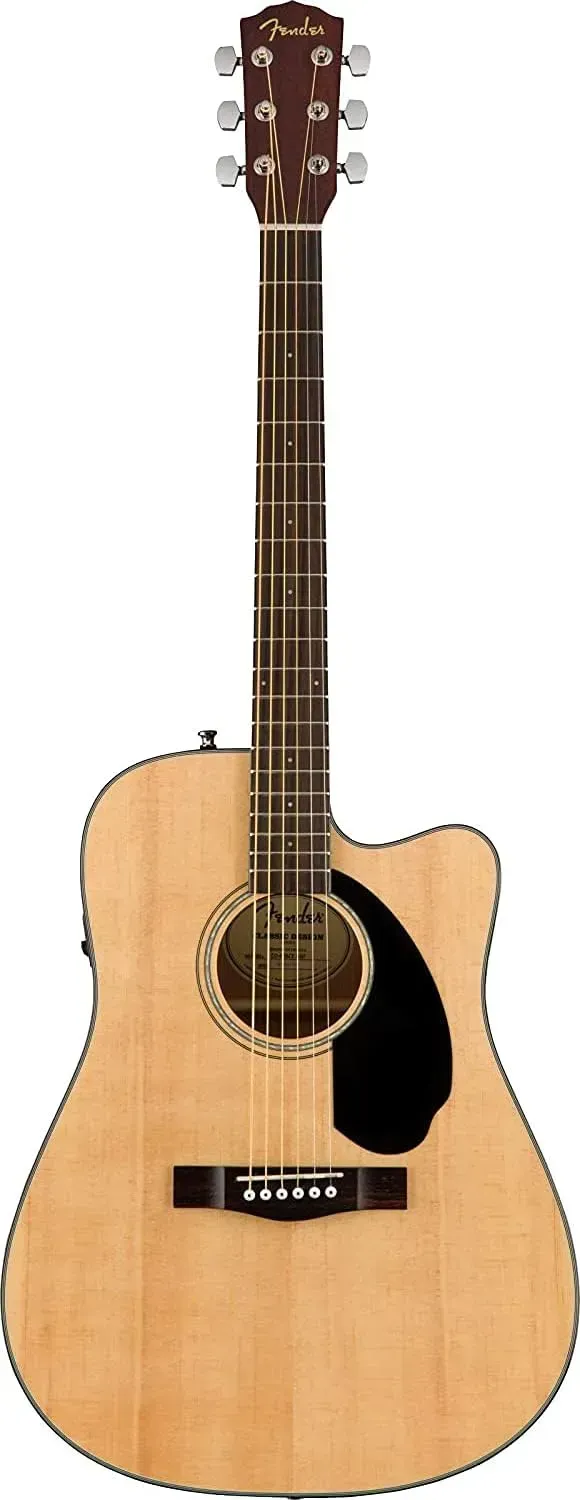
Fender CD-60SCE
Cutaway Dreadnought · Fishman Pickup · Built-in Tuner
|
Best electric acoustic example — Fishman pickup, cutaway body, plug in and play anywhere | Electric Acoustic | ★★★★½
|
$349.99 | View on Amazon |
 Classical Guitar
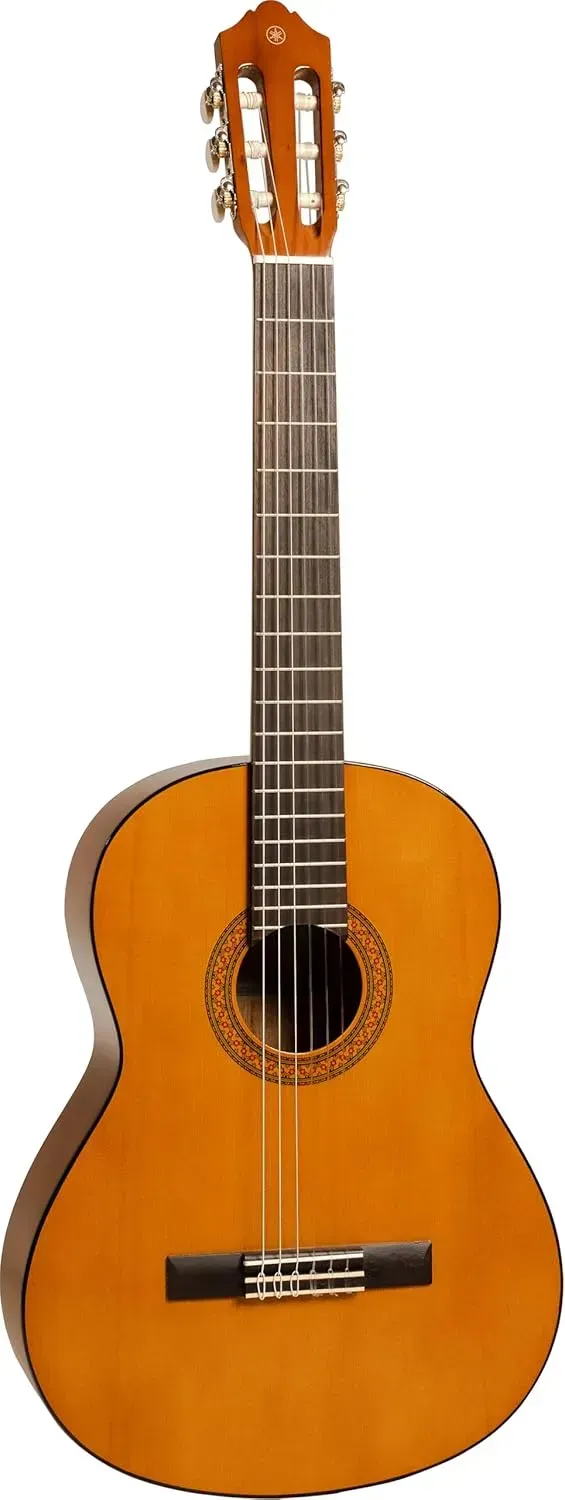
Yamaha C40II Classical Guitar
Full Size · Nylon Strings · Rosewood Fingerboard
|
Best classical example — nylon strings easy on fingers, warm mellow tone, perfect for beginners | Classical | ★★★★½
|
$189.99 | View on Amazon |
What To Look For When Buying a Beginner Guitar
1. Acoustic or Electric Guitar
First and foremost - you should have an idea on whether you want to go electric or acoustic guitar for your choice. Now, this is probably an easy choice, but sometimes it's good to factor where you will be playing, your music style interest and your surroundings.
If you're leaning toward a folk-country style, you might want an acoustic or acoustic-electric while you would want an electric if you would like to play rock or metal.
Typically, you would want an electric guitar if you're playing in a band as it becomes more difficult to play an acoustic over a drummer. Acoustic pickups are getting better every day, but for the sake of this guide let's focus on the body and style of the guitar itself.
Your environment could be a big factor as well starting out as you might live in an apartment and can't necessarily play an electric because you might create tension with your neighbors or your family.
Also, buying an electric you have to factor in that you have to purchase an amplifier as well so that an extra cost you have to consider, otherwise you will hear more of the strumming sound of the strings rather than what you are playing.

2. Guitar Body Style
Once you choose whether you wish to go for an electric guitar or an acoustic guitar, you want to have a good sense of how to choose an electric guitar or acoustic guitar body style you want to go for. There are few, so let's go through it:
ELECTRIC GUITARS
Fender Squier Debut Strat (Amazon)
Solid Body Guitars
Solid Body Guitars are workhorse guitars. They can be abused a lot more than all the other types of guitar bodies. If you are looking to throw your guitar around a lot or you are considered 'heavy-handed' and not-as-careful, this type of guitar is probably for you. These guitars are mainly used in Rock and Metal Genres, but because of their durability, all genres use these.
Squier Classic Vibe 60s Telecaster Thinline (Amazon)
Semi-Hollow Body Guitars
Semi-Hollow Bodies are close to Solid Bodies but there are a few differences. There are cutouts in the body, and they typically look like an 'F' hole - these cutouts give the guitar sound a more 'airy' quality to the sound, and the notes tend to vibrate off each other. They do have less sustain compared to Solid Body Guitars. These are durable guitars as well so most genres use these as well.
Gretsch LTD Streamliner Hollowbody Electric Guitar (Amazon)
Hollow Body Guitars
Hollowbody Guitars (sometimes referred to as Archtop Guitars) is just what the name sounds like - the body of these guitars are hollow. These guitars can add a lot of character to your guitar playing because the notes reverberate off each other. Sometimes it can be a little too much if you're playing with a full band in which you have to place your hand on the strings to tame the sound. These kinds of guitars are typically used in jazz and rockabilly music.
ACOUSTIC GUITARS
Martin D-10E Retro Road Series (Amazon)
Standard Acoustic Guitars
Standard acoustic guitars are the most common guitar you'll see and a great starting point for any beginner. They're simple — just pick it up and play, no amp needed. The warm, natural sound works beautifully for folk, country, singer-songwriter styles, and campfire playing. The Martin D-10E Retro Road Series is a fantastic example — solid spruce top, built-in electronics, and that legendary Martin tone at an accessible price point.
Fender CD-60SCE (Amazon)
Electric Acoustic Guitars
Electric acoustic guitars give you the best of both worlds — the natural warmth of an acoustic with a built-in pickup so you can plug into an amp or PA for louder settings. They're ideal for gigging acoustic players who don't want to deal with an external microphone. The Fender CD-60SCE is a great example — solid spruce top, Fishman pickup and preamp, comfortable cutaway body, and classic Fender playability. Pro tip: always watch a video of the specific electric-acoustic you're considering to hear how it sounds plugged in before buying.
Yamaha C40II Classical Guitar (Amazon)
Classical Guitars
Classical guitars use nylon strings instead of steel, which means they're much easier on your fingers and strings rarely break. They produce a softer, warmer, more mellow tone that's perfect for classical, flamenco, folk, and world music styles. They're also typically very lightweight which makes long practice sessions comfortable. The Yamaha C40II is the go-to beginner classical guitar — reliable Yamaha quality, great intonation, and an unbeatable price for a full-size nylon string guitar.
3. Guitar Features
Before buying a guitar you want to have a general idea of what features matter to you. Here are some key features to look for on an electric guitar:
Whammy Bar — A metal rod attached to the bridge that bends notes up or down for vibrato effects. There are two main types:
- Standard Whammy Bar — More affordable and removable, but requires more technique to use smoothly
- Bigsby Whammy Bar — More expensive and permanently attached, but delivers a smoother, more controlled feel loved by country and rockabilly players
Tone Knobs — Control the tonal character of your guitar. Some guitars have a single master tone knob while others have individual tone knobs per pickup for more precise control.
Pickup Selector Switch — A switch that moves between pickups or combines them for different tonal characters. A Stratocaster has a 5-way switch, a Les Paul has a 3-way — each giving you a different voice.
Volume Knobs — Some guitars have a single master volume while others have individual volume knobs per pickup, giving you more control over your blend on the fly.
4. Guitar Design
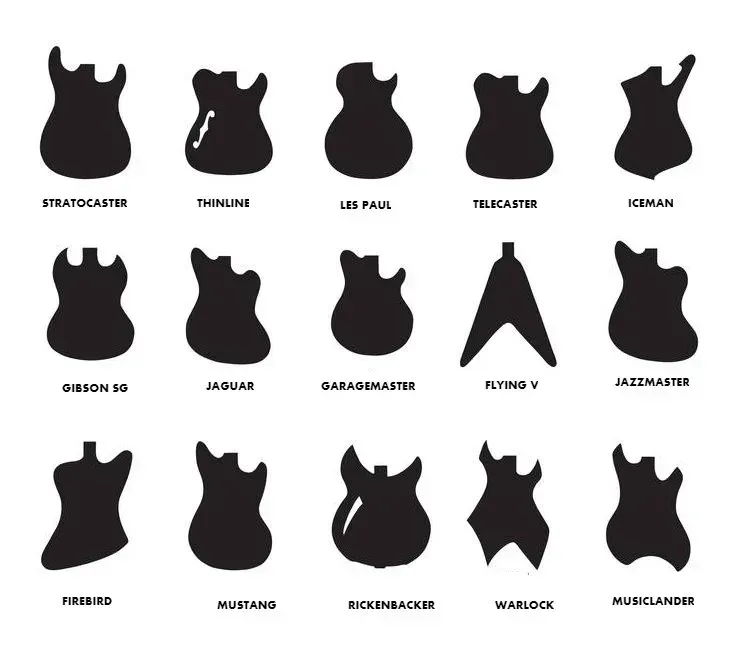
Guitar design ties into your body style choice but gets more specific — it's about the exact shape, look, and brand that speaks to you. Some guitarists are drawn to the classic curves of a Stratocaster while others prefer the aggressive angles of a Flying V. The design you choose can actually inspire your playing, so don't underestimate it. Here are some of the most popular guitar body designs you'll encounter:
- Stratocasters
- Telecasters
- Les Paul
- Thinline
- Mustang
- Firebird
- Jazzmaster
- SG
- Flying V
- and many more
5. Guitar Weight
Guitar weight is worth considering, especially if you plan on playing for long sessions or performing live. Heavier guitars can cause neck and shoulder strain over time, while very light guitars are sometimes made from cheaper woods that sacrifice tone and durability. A good sweet spot for most players is around 7–8 lbs — solid enough to be durable and resonant, light enough to be comfortable. You can find the weight of most guitars listed on the product page or by searching the model name on Google.
6. Size of Guitar
Guitar body sizes vary quite a bit and comfort matters more than people realize. The standard full-size guitar is typically around 41" in length. If you or the person you're buying for has smaller hands, shorter arms, or finds a full-size guitar uncomfortable, a 3/4 size guitar is a great option — they're easier to handle and still sound fantastic. Kids and younger beginners especially benefit from a properly sized guitar as it makes learning significantly easier.
7. Guitar Pickups
For electric and acoustic-electric guitars, pickups are worth paying attention to. Pickups are the magnetic sensors that convert your string vibrations into an electrical signal — and they have a huge impact on your tone. Single-coil pickups (found on Stratocasters and Telecasters) produce a bright, clear, chimey sound. Humbucking pickups (found on Les Pauls and SGs) produce a warmer, thicker, fuller sound with less background noise. Most guitars will list their pickup configuration online and you can hear the difference clearly in YouTube demo videos before you buy.
Frequently Asked Questions — Guitar Buying Guide For Beginners
Should a beginner buy an acoustic or electric guitar?
It depends on the music you want to play. If you're drawn to rock, blues, or metal — go electric. If you prefer folk, country, or singer-songwriter styles — go acoustic. Electric guitars are generally easier to play because they have lighter strings and lower action, meaning less finger pain early on. Acoustic guitars are more portable and don't require an amp. Either way, the best guitar for a beginner is the one that excites you most — because that's the one you'll actually pick up and play.
How much should I spend on my first guitar?
For a genuinely good beginner guitar we recommend spending between $150–$400. In this range you'll find guitars that are well-built, stay in tune, and won't hold back your progress. Anything under $100 tends to have quality control issues that can make learning frustrating. You don't need to spend more than $400 to get an excellent first guitar — check out our full list of the best beginner electric guitars for our top picks.
Do I need an amp if I buy an electric guitar?
Yes — an electric guitar is very quiet without an amplifier. However you don't need to spend a lot. A small practice amp in the $80–$150 range is perfectly fine for learning at home. Check out our list of the best guitar amps for the money for some great affordable options.
What guitar size should a beginner buy?
Most adults and teenagers should buy a full-size guitar (41"). If you have smaller hands or are buying for a child, a 3/4 size guitar is a better fit and will make learning significantly easier. Classical guitars with nylon strings are also a great option for younger beginners as the strings are much easier on the fingers.
What is the difference between single-coil and humbucker pickups?
Single-coil pickups produce a bright, clear, chimey tone — great for blues, country, funk and clean rock. They can pick up some background hum in certain environments. Humbucker pickups produce a warmer, thicker, fuller tone with less background noise — great for rock, hard rock, jazz, and metal. Neither is better than the other — it comes down to the music you want to play.
Is it better to buy a guitar online or in a music store?
Both have advantages. Buying in a store lets you play the guitar before committing, which is always ideal for a first purchase. Buying online gives you access to a much wider selection, often at lower prices, with the safety net of Amazon's return policy. If you're buying online, stick to well-known brands like Fender, Yamaha, Epiphone, and Gibson — you'll know exactly what you're getting.

What Guitar Picks Do The Pros Use
Looking for a great guitar pick? We broke down what to look for when choosing a guitar pick like the pros do.
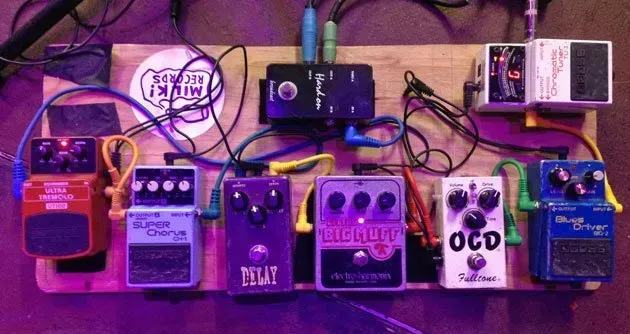
Guitarist Pedalboard Rundown — Courtney Barnett
We broke down every pedal Courtney Barnett uses on her live sets — a great read for any gear enthusiast.
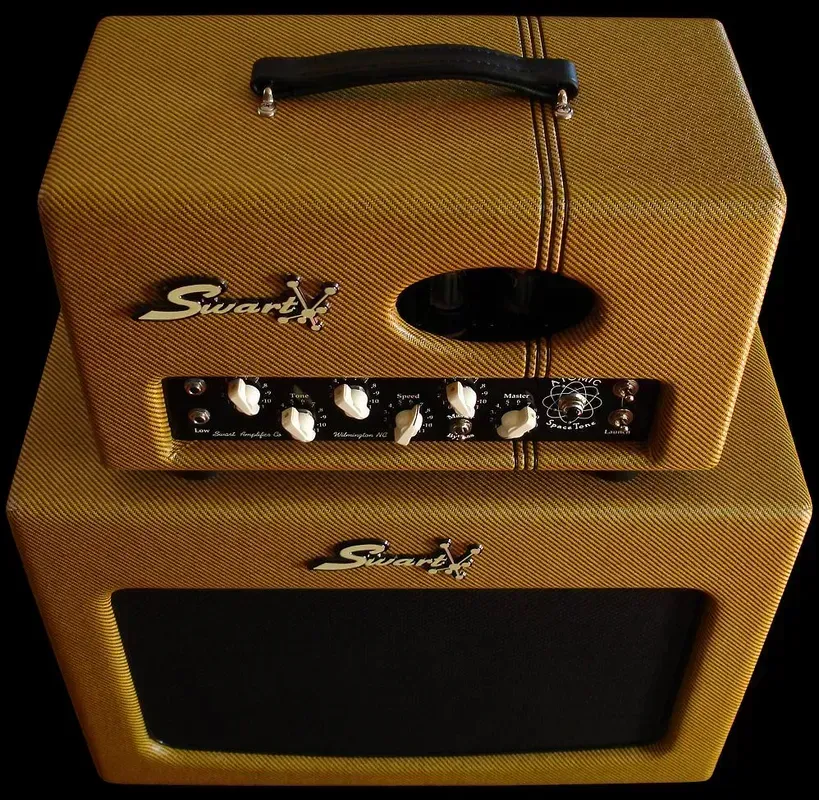
Best Guitar Amp For The Money
Need an amp to go with your new guitar? We ranked 9 of the best value guitar amps of 2026 across every budget.